Monday, August 29, 2011

August 30: Hurricane Katie Imminent? (more details on "Irene")


Irene is now among the 30 deadliest hurricanes in U.S. history; damage cold top $12 billion. Source: Wall Street Journal.

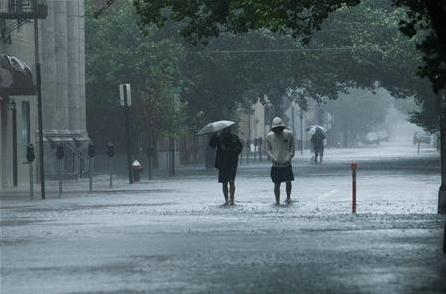
East Lake Road in Woodstown, New Jersey. Image source.
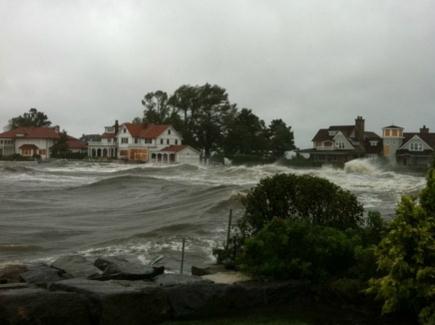

Greenwich, Connecticut. Image source.

25 Frightening Photos Of Hurricane Irene's Destruction. Buzzfeed.com has a series of photos that tell the story better than any words ever could.

273 roads and bridges damaged in Vermont.
1927. Last year flooding in Vermont was this extensive.
Outer Banks of North Carolina: over 200 roads closed, 21 bridges impacted by Irene; 2,500 local residents cut off by storm surge. (CNN).
38 deaths in 11 states.
Billions of dollars in damage anticipated from Hurricane Irene.
65 major disasters so far this year across the USA where FEMA was activated to help with clean-up efforts (and funds).

Donate. Want to help survivors? Click here for a list of resources, courtesy of spotify.com.

"...The coverage became more a form of entertainment and less of a public resource, said Lise King, a fellow at Harvard University. "The two agendas cannot co-exist, as one serves to lead citizens into calm action and the other is meant, by nature, to drum up emotional responses in order to keep the viewer tuning in," she said." - AP article on Irene. Was coverage overblown? Experts speculate and pontificate below.

"...Usually, says Jeff Masters of Weather Underground, it’s difficult for hurricanes to keep their strength much past North Carolina because ocean temperatures plunge below the 79°F level that can generate those strong winds. Not this year: “Sea surface temperatures 1° to 3°F warmer than average extend along the East Coast from North Carolina to New York.” In fact, in all the years of record keeping, only one summer has had warmer water—last year."


"...We’ve just never had so much crazy weather all at once. Even before Irene, the U.S. had already set a record in 2011 for the most billion-dollar weather disasters. Recently, JFK airport marked its all-time rainfall record, on the same day that many Southwest cities set new records for most days above 100°. As carbon traps more heat in the atmosphere, it expresses itself in ever more violent weather. If you don’t believe the scientists, then ask the insurance industry. Munich Re, one of the world’s largest insurers, summed up its record payouts from the record-hot year of 2010: “This rise cannot be explained without global warming.” - from a Daily Beast article on Irene below.
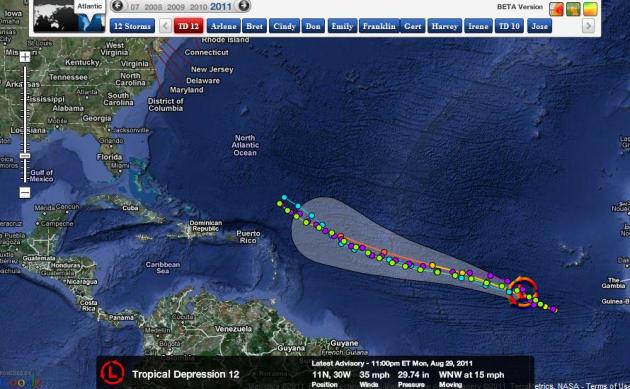

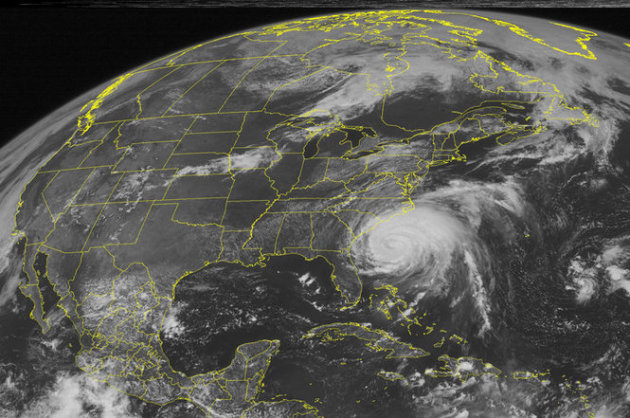
Soon-To-Be-Hurricane Katia? "Invest 12" is on the verge of becoming a tropical storm, closer to Africa than the Lesser Antilles, but forecast to become a Category 2 hurricane within 5 days. With any luck steering currents around a Bermuda High will steer the storm away from the east coast. The truth: it's way too early to know - but it wouldn't be a factor for the USA until next week. Map courtesy of NHC and Ham Weather.
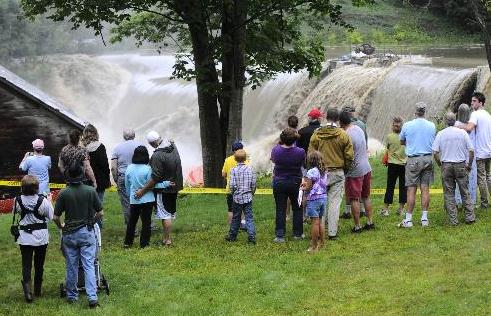
Irene Floods Vermont Towns As States Assess Damage. Here's a Star Tribune update on the (historic) flooding across Vermont, probably the worst tropical storm to ever impact much of northern New England: "NEW YORK - The storm that had been Hurricane Irene crossed into Canada overnight but wasn't yet through with the U.S., where flood waters threatened Vermont towns and New Yorkers feared a commuting nightmare as their transit system, shut down ahead of the storm, was slowly restored. The storm left millions without power across much of the Eastern Seaboard, left more than 20 dead and forced airlines to cancel about 9,000 flights. It never became the big-city nightmare forecasters and public officials had warned about, but it still had the ability to surprise. Many of the worst effects arose from rains that fell inland, not the highly anticipated storm surge along the coasts. Residents of Pennsylvania and New Jersey nervously watched waters rise as hours' worth of rain funneled into rivers and creeks. Normally narrow ribbons of water turned into raging torrents in Vermont and upstate New York late Sunday, tumbling with tree limbs, cars and parts of bridges. "This is not over," President Barack Obama said from the Rose Garden. Hundreds of Vermonters were told to leave their homes after Irene dumped several inches of rain on the landlocked state. Video posted on Facebook showed a 141-year-old covered bridge in Rockingham swept away by the roiling, muddy Williams River. In another video, an empty car somersaulted down a river in Bennington."

Irene "Just Devastating" In Vermont, Governor Says. Here's an update from CNN: "Brattleboro, Vermont (CNN) -- Floodwaters brought by Tropical Storm Irene began to recede Monday in Vermont, but the governor warned that further flooding and loss of life are likely ahead for the small, rural state. "It's just devastating," Gov. Peter Shumlin said Monday. "Whole communities under water, businesses, homes, obviously roads and bridges, rail transportation infrustructure. We've lost farmers' crops," he said. "We're tough folks up here but Irene ... really hit us hard." Even the state emergency management headquarters in Waterbury flooded Sunday night, forcing officials to evacuate to Burlington, about 20 miles away. "The storm essentially shut southern Vermont down," state police Capt. Ray Keefe. "It's terrible." Hundreds of people remain trapped in communities cut off by raging floodwaters that washed out or otherwise damaged 263 roads and bridges, Shumlin said. Exactly how many were stranded Monday remained unclear, he said. "It's hard for us to know, frankly, because it's hard for us to get into the communities we need to get to," he said."

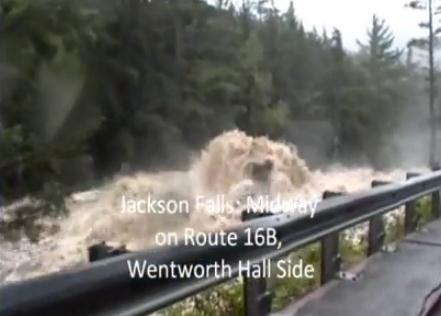
Jackson Falls, New Hampshire. Check out this YouTube clip of Jackson Falls (close to Mt. Washington), in the wake of Irene - unbelievable.


"Some Hurricane", New Yorkers Grumble As Danger Passes. Was the storm over-hyped? That's open to debate, and the debate is ongoing. The fact that this hurricane was taking aim at the world's media center, New York City, may have been a big factor in the level of coverage (and the tone of that coverage). The New York Times reports: "On Saturday, when the word was that Hurricane Irene had New York City in its sights, Mike Fenton was proud of himself: “I bought the last loaf of bread on the West Side.” On Sunday, after the storm had delivered something less than a knockout punch to the city, his mood had changed. The two hours he had spent going to three grocery stores to find the bread? He really did not want to talk about it. “With all the preparations and all the hoopla on TV, it was all for naught,” he said. “I feel embarrassed that we made such a to-do.” The city government spent days turning complacent New Yorkers (if complacent is what they are) into worrywarts (if worrywarts are what they became). And then, reverting to type once the danger had blown by and left them alone, they said it was much ado about — maybe not nothing, but surprisingly little. A hurricane? It had been downgraded to a tropical storm by the time it hit Coney Island, they said with a certain Seinfeldian glee, for they knew they really had nothing to complain about." (photo credit here).


 
Irene's Impact (courtesy of Planalytics):

* Irene peaked as a Category 3 major hurricane and made its first U.S. landfall on Saturday as a Category 1 hurricane. In total, Irene impacted 17 states as well as several Canadian cities including Montreal and Halifax. An estimated 80 million consumers were within 200 miles of the eye of the storm at some point over the past week.
* Irene made a second landfall at Little Egg Inlet, NJ on Sunday. It was the first hurricane to make landfall in the state since 1903.
* Irene caused over 4 million power outages, with many in the heavily populated northeast expected to be without power for up to two weeks.
* On the heels of a very wet August in the East (Philadelphia had its wettest month in history before Irene hit), the heavy, record-breaking rain up and down the East coast caused significant and widespread flooding and uprooted trees.
* An estimated 11,000 flights were cancelled, causing severe travel and commerce disruptions. Mass transit in all major cities was either slowed or stopped.
* Social media and smartphones played a significant communication role. This was not only true for individuals, but for businesses alike who provided valuable information and services to their communities, family, friends, and co-workers.
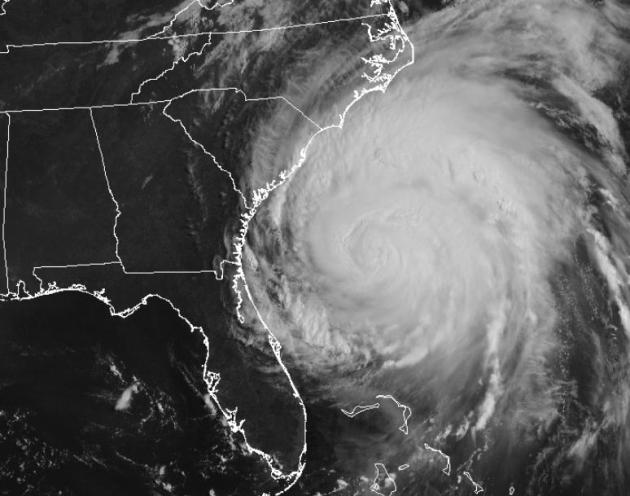

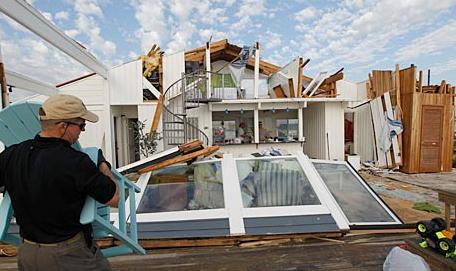
Vignettes From Irene's March Up The East Coast. The AP has a good overview of the impacts of Hurricane Irene, state by state: "VIRGINIA BEACH, Va. (AP) — In a hurricane that didn't fully deliver on its fearsome forecast for most areas, Casey and Denise Robinson's battered beach house is a terrible testament to the fickle nature of extreme weather. The Robinsons and a crew of friends arrived early Sunday to begin picking up the pieces of the storm-ravaged family getaway snuggled in the dunes of the Sandbridge section of Virginia Beach. A tornado spawned by Irene ripped the roof off their house and clawed through its contents, tossing insulation, shards of glass and splintered wood into trees, dunes and low-slung cactus. "This one's totaled," Casey Robinson said as he hastily gathered up boogie boards and other familiar remnants of the family beach house. "This is the only one on the beach that got hit this hard." The Robinsons went about their salvage work with unexpected cheer, reminiscing about the good times they had with their two children over the six or seven years they had owned the house. "This foosball table's ruined," Denise Robinson said. "We played a lot of tournaments on that." Casey Robinson, who said he and his wife and two teenage children were at their primary residence in Virginia Beach when the beach house was destroyed, summed up their sentiments with a shrug."
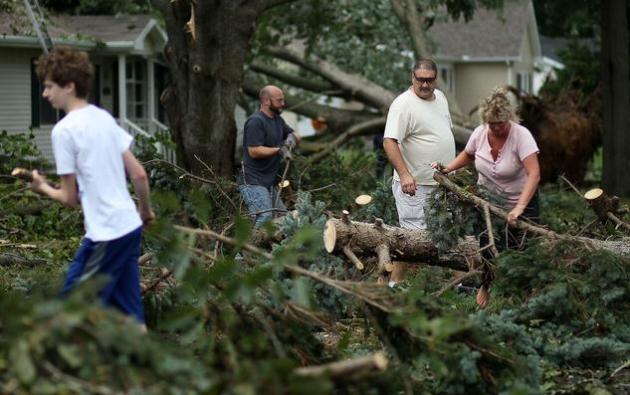
Irene: Deaths, Flooding, Power Losses, State by State. Here's another good summary of Irene's impacts from Bloomberg News: "Hurricane Irene killed at least 18 people from Puerto Rico to Connecticut, caused an estimated $3 billion in damage and cut electric power to more than 4 million homes and businesses across the eastern U.S. The deaths were concentrated in Virginia and North Carolina, where at least 10 people were killed. Virginia also sustained the second-largest power outage in state history. State Farm Mutual Automobile Insurance Co., the largest U.S. home and auto insurer, reported about 1,600 homeowners claims and almost 500 auto insurance claims in North Carolina and Virginia as of 3:00 p.m. local time. The Bloomington, Illinois insurer is hearing reports of downed trees, siding and roofing materials blown off houses, power outages and “a lot of claims for loss of refrigerated food,” said Jon Hannah, a State Farm spokesman. The storm’s cost to insurers may have fallen to $3 billion in the U.S. as the storm weakened on its path toward New England, according to Kinetic Analysis Corp., a firm that predicts the effects of disasters. An earlier estimate was for insured losses of as much as $14 billion. Federal officials are still assessing damage and haven’t released a value on the damage yet, said Craig Fugate, head of the Federal Emergency Management Agency."


Outer Banks: "Much Better Than We Had Feared". Here's an update from navytimes.com: "OVER THE OUTER BANKS, N.C. — Hurricane Irene has cut off access to the lower portion of North Carolina’s Outer Banks, creating multiple breaches in North Carolina Route 12 south of the Oregon Inlet Bridge. The damage became evident during a storm damage assessment flyover by the Coast Guard, the first such flight along the length of the popular island chain since the huge Category 1 storm blasted ashore early Saturday at Cape Lookout and plowed its way northward. The highway was flooded and broken in at least four sections of the road north of the town of Rodanthe. In Rodanthe itself, water has completely wiped out the road in one section. Nearby, a house was burning, but it’s unknown whether the fire was related to the storm. There did not appear to be an alternate route around the breaks."


How Will FEMA Pay For Hurricane Irene? With the country in a hole, financially, the question keeps coming up: how will the federal government pay for all these increasingly costly storms? There have been 65 major disasters so far this year, nationwide. Here's more information from The Washington Post: "With less than $1 billion currently available for federal disaster assistance, the Federal Emergency Management Agency is temporarily suspending payments to rebuild roads, schools and other structures destroyed during spring tornadoes in Joplin, Mo. and southern states in order to pay for damage caused by Hurricane Irene. FEMA will still pay people eligible for individual storm assistance and some states recouping emergency response costs from previous disasters. But the agency said it will place restrictions on paying for older longer-term public rebuilding and mitigation projects in order to ensure the solvency of the federal disaster relief fund, which pays for emergency management costs and public rebuilding projects. The decision affects the spring tornadoes and disasters dating back several years and “prioritizes the immediate, urgent needs of survivors and states when preparing for or responding to a disaster,” said FEMA spokeswoman Rachel Racusen. The federal government similarly suspended some disaster payments in 2003, 2004, 2005, 2006, and 2010, according to FEMA."

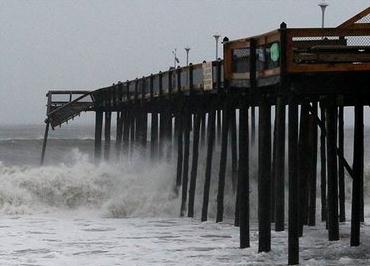
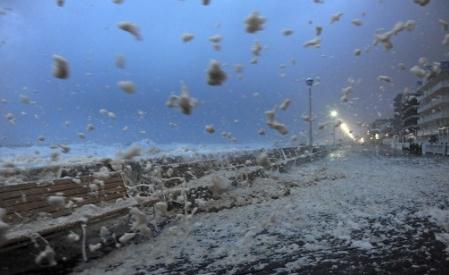
Photo credit: "A wave crashed over the tidal wall along the boardwalk Saturday as Hurricane Irene approached Ocean City, Md. (Ricky Carioti - Washington Post)"
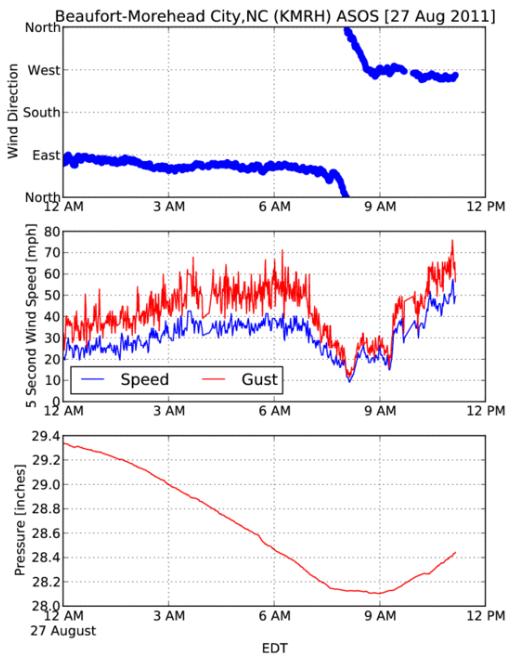

Anatomy Of A Hurricane. The Iowa Environmental Mesonet has raw data from Morehead City, North Carolina, showing wind direction, speed and barometric pressure. Details: "Hurricane Irene hit the east coast of the US this weekend bringing flooding rains and significant storm surge. The eye of the hurricane came ashore Saturday morning close to Morehead City, North Carolina. The featured chart is of one minute interval ASOS data from airport sensor in town. The one minute interval data was not available after about 11 AM local time. The traces nicely show the change of wind direction as the eye passes overhead along with the decrease in wind speed. This station was chosen for this plot as it had the lowest pressure reported among the automated sensors the IEM collects data from in the area."
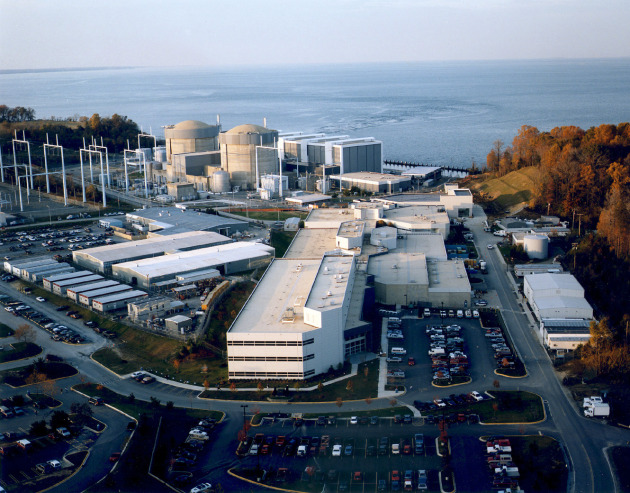

Irene's Impact On Nuclear Reactors Out East: (thanks to James Aman from Earth Networks for passing this along).

- Most affected was Constellation Energy’s Calvert Cliffs Nuclear plant in Lusby MD - -
- 1 of 2 reactors automatically shut down, after flying debris shorted out a transformer in the electrical yard:

- Exelon Corp. (EXC)’s Oyster Creek plant near Toms River, New Jersey, was shut down as a precaution.
- Dominion’s two units at Millstone in southeast Connecticut were both reduced to 50% power.

* Photo credit: theresilientearth.com.
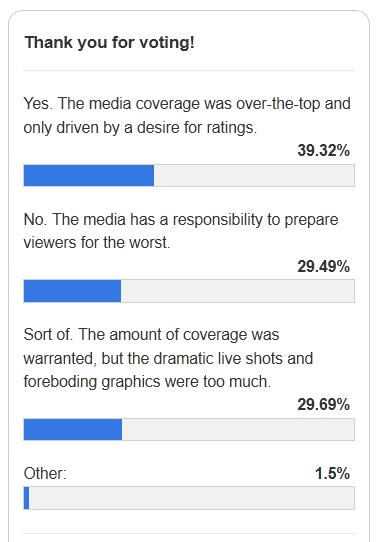

Poll: Was Hurricane Irene Over-Hyped? TV Newser has a poll, and here are the results (as of Monday afternoon). What do you think? "We kept you apprised of the many, many hours of extra news coverage that were added this weekend in preparation for Hurricane Irene — from the cable networks, to the broadcast networks, to the business networks, everyone was in overdrive. Now that the dust has settled — and Irene, by all accounts, was much less severe than expected — we want to know: was Hurricane Irene overhyped?"

Did Media Go Overboard Hyping Hurricane Irene? I still believe the fact that Irene was heading directly toward New York City (America's undisputed media capital) made a huge difference in the level and tone of coverage, but some of the storm surge predictions (up to a foot?) were wildly inflated - and probably resulted in a much larger evacuation than was ultimately necessary. In contrast the media probably underestimated the extent of inland flooding from tropical rains falling on saturated soil, from North Carolina to Vermont. THAT was the big story, not the 3-4 foot storm surge in New York Harbor. More from the AP: "NEW YORK (AP) — The clouds from Hurricane Irene had barely dissipated before a chorus of critics began suggesting that television networks had gone overboard hyping the storm before and during its march up the East Coast. For days, The Weather Channel and cable news networks reported on little else. Ultimately, they were affected by the unpredictability that is the nature of tropical storms. Irene largely spared New York City, where much of the media attention had been focused, while causing significant damage in places where it was unanticipated: Who planned for torrents of water in Brattleboro, Vt.? One media critic, Howard Kurtz, of The Daily Beast, called the coverage "a hurricane of hype." Manhattan resident Josh Hull, who left his downtown home to ride out the storm with friends on the Upper East Side, said broadcasters blew the storm way out of proportion. "I get that news is a business, but drumming up ratings at the expense of 28 million people is beyond the pale," Hull said. "My family, who all live in another part of the country, were worried sick all weekend while I slept right through the worst of it." The coverage became more a form of entertainment and less of a public resource, said Lise King, a fellow at Harvard University. "The two agendas cannot co-exist, as one serves to lead citizens into calm action and the other is meant, by nature, to drum up emotional responses in order to keep the viewer tuning in," she said. Media organizations defended their coverage, in some cases angrily. NBC News anchor Brian Williams recalled talking to a meteorologist from The Weather Channel on Wednesday night and said he had "never heard him so dire." Networks took cues from public officials, like when New York Mayor Michael Bloomberg ordered unprecedented evacuations and a full-scale public transportation shutdown in the nation's largest city."
Hurricane Irene Could Test Military's Revamped Disaster Response System. The story from AP and the Washington Post: "DENVER — The military’s efforts to help the East Coast recover from the floods and disruption caused by Hurricane Irene could test the Pentagon’s new plan to avoid the chaos that plagued the response to Hurricane Katrina. National Guard officers were appointed over the weekend as “dual-status commanders” to direct both active-duty troops and guardsmen assisting civilian officials in New Hampshire, New York, North Carolina and Rhode Island. Normally, active-duty personnel and state-level guardsmen report up separate chains of command to the president on one side and the state’s governor on the other. That division was blamed for some of the delays, duplications and gaps after Katrina hit the Gulf Coast in August 2005. The military began training high-level Guard officers last year to command both types of troops so they can call on each side’s specialties and quickly get help where it’s needed."

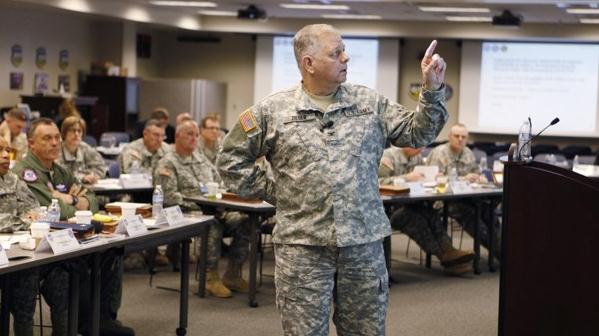
Photo credit above: (Ed Andrieski/Associated Press) - FILE - This April 18, 2011 photo shows Col. Bill Zieber, center, of the Ohio National Guard as he instructs a Joint Task Force Commander training class at NORAD/Northcom headquarters at Peterson Air Force Base, Colo. In classes like this the Defense Department is grooming a new type of commander to coordinate the military response to domestic disasters, hoping to save lives by avoiding some of the chaos that plagued the Hurricane Katrina rescue effort. Dual-status commanders have been appointed to lead


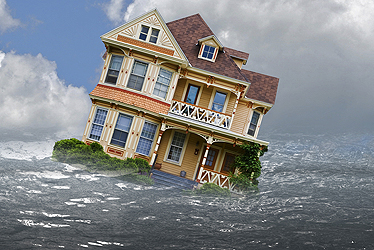
Don't Blame The Flood Insurance You Didn't Buy. The story from thestreet.com: "In places like southern Florida, where many areas are right at sea level or face special hazards from proximity to the shoreline or canals, the name of the game for homeowners is to avoid taking out flood insurance policies if possible. Those with mortgage loans fight a losing battle against loan servicers if they are in a FEMA-determined special flood hazard area. Those not facing pressure from loan servicers are obviously more concerned about the immediate cost than the potential consequences. All flood insurance policies are subsidized by the National Flood Insurance Program, or NFIP, since flood damage tends to be highly concentrated geographically, making it a challenge for an insurer to turn a profit. The NFIP also isn't cheap. The Government Accountability Office estimated in June that the NFIP still owed the U.S. Treasury $17.8 billion "to cover losses from the 2005 hurricanes." For a $200,000 home (estimated replacement cost) located in a special flood hazard area and "a foot below sea level," the annual premium is "somewhere around $700," according to premium estimates provided by Wayne Cox, of Cox Insurance in Fort Pierce, Fla." (photo credit).


Should The National Weather Service Be Scaled Back? Some thoughts on the proposed 30% cut to NOAA's budget from meteorologicalmusings.com: "During my 40 years as a meteorologist, I have a lot of experience with hurricanes and other major storms. I have observed that hurricanes tend to bring odd ideas to the surface. When you combine an earthquake, the odd ideas – if my email is any indication – really start flowing. Beyond the theories about airplane vapor trails and remote control of earthquakes, perhaps the oddest idea floating around now is that that the U.S. National Weather Service should be shut down or deeply scaled back. Saturday evening, a friend forwarded a Fox News op-ed calling for the NWS to be abolished. That op-ed, if you wish to read it, is here. It is easy to say, “abolish the National Weather Service.” Explaining why that is a bad idea is a bit more complicated, so I hope you will bear with me. The National Weather Service of the United States (NWS) plays a vital role that would be impossible for the private sector to fill. That is due to the unique nature of weather. Because weather does not respect national borders and because the weather moves around the world, all nations must cooperate in order for effective forecasts to be made. Private companies cannot legally conduct foreign policy; that is a role of the federal government. The federal government must create the essential international meteorological infrastructure and data sharing agreements."
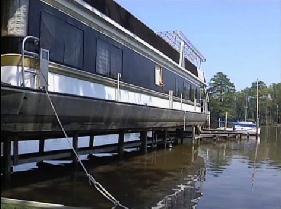
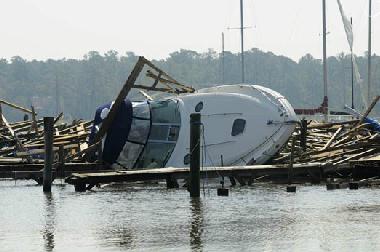
You Have To See It To Believe It: Boat Balances on Dock. Check out this video clip from WITN.com: "A large boat in Washington ended up in a near-perfect balancing act after Hurricane Irene moved through. Click full story to see the amazing photos--more added."


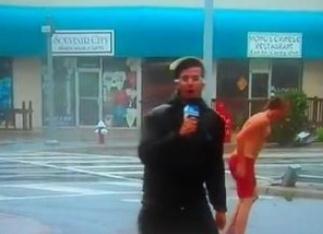
Weather Channel Streaker. No, you can't make this stuff up. Huffington Post has the details: "Weather Channel reporter Eric Fisher was giving a live report about Hurricane Irene on Saturday when a streaker disrupted his coverage. Fisher said he was "pretty much speechless" about the swarms of people he saw reveling in the streets of Virginia Beach, even as Hurricane Irene whipped about all around him. Fisher clearly thought people were being foolish and reckless, but said he would "bite his tongue" to avoid being too frank about the situation. As if to prove his point, a group of young men in bathing suits ran past him during the live report he was giving, and one of them even flashed the camera--from behind and in front."


Don't Mock The Weatherguy - Or Else! Yes, forecasting weather, predicting storms, is a thankless task. People assume we know (or SHOULD know) more than we really do. We do the best we can with what we have. Here's an appropriate response from comedian Dean Obeidallah, as reported by CNN. The cries came from mainstream media, social media and even the unsocial streets of New York, where I live: "How can these guys call this a friggin' hurricane?!" Whenever the weathermen/women are the slightest bit off in their forecasts, they instantly became punching bags for the rest of us. People ask: How can the weathermen be wrong so often? Here is the simple answer: They are trying to predict the future! It's a forecast, meaning a prediction about an event yet to happen. And to make it more challenging, they are dealing with the weather, which to me, is a mystical, awe-inspiring creature. How can anyone know for certain what this supernatural beast will do? Yet these climate prognosticators, these weather gurus, these meteorologist psychics, if you will, are continually attacked for not predicting with pinpoint precision that, for example, 3 inches of snow, not 6, will fall from the mass of water droplets, known as clouds, positioned thousands of feet above us.
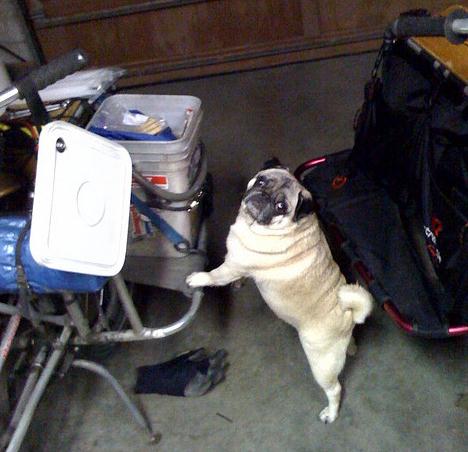

Doggy-Angst. Yes, even the pugs in North Carolina were a little freaked out about Irene. This photo courtesy of buzzfeed.com.


Steve Jobs Reigned In A Kingdom Of Altered Landscapes. How do you capture the genius of Steve Jobs? Dave Carr from the New York Times does a good job putting the magic into perspective, highlighting Jobs' ability to reinvent whole new business models: "Earlier this year, I wrote a column about the publishing industry’s resistance to the terms Apple was imposing for subscriptions on the iPad. Soon after, an e-mail was followed by a phone call and Steve Jobs was on the line to straighten me out. At the time, publishers were profoundly unhappy. Apple was not only proposing to take a third of the revenues, but it was also requiring that the transaction go through Apple, meaning publishers would get none of the consumer data that had such high value to advertisers. Mr. Jobs was friendly enough — I can recall a less pleasant conversation about the criminal case involving a stolen iPhone prototype — but he thought it was silly for publishers to whine about sales without data. After all, he said, they already did a tremendous business on the physical newsstand that did not provide a lick of data about their buyers."
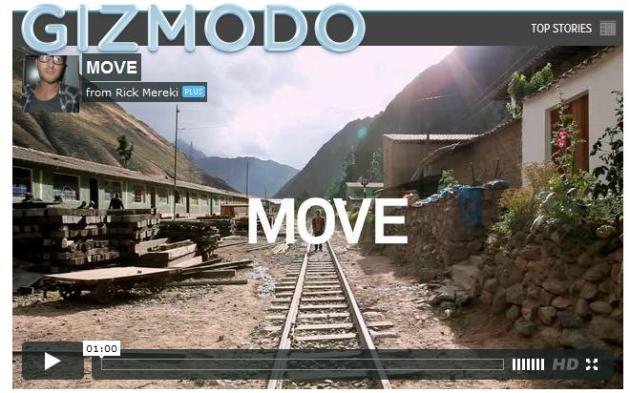

Traveling Around The World (in One Minute). Gizmodo has a pretty cool video on their site - a lifetime worth of global travel compressed into 60 seconds? "Rick, Tim and Andrew, three ordinary guys, decided to take a trip of a lifetime: 11 countries in 44 days. 18 flights and 38,000 miles later they have three 1-minute videos showing what life is like around the world. They recorded everything off two cameras and ended up with over a terabyte of footage which they cut, mixed and matched into an awesomely seamless blend of every notable place they've been. They broke down their trip into three parts: Move, which shows them walking around, Eat, which shows the delectable food they ate, and Learn, which shows all the amazing things they did. Three movies. One minute a pop. Watch them all. I dare you not to smile (and also dare you not to quit your job and blow all your savings on this type of trip)."


Climate Stories...
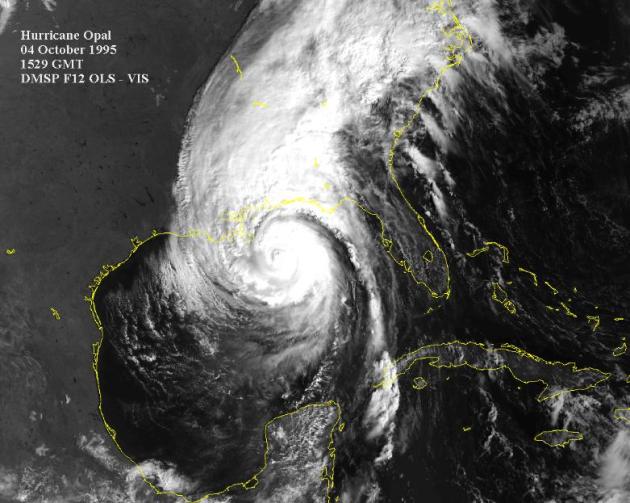


Sum Of All Fears

What's a meteorologist's worst nightmare? An EF-4 tornado heading toward a stadium or crowded shopping mall? Maybe a rerun of Hurricane Opal, with an even more terrifying outcome?
October, 1995: Opal is a Category 2 hurricane in the Gulf of Mexico. Floridians go to bed expecting a moderate hurricane; many fail to evacuate their coastal homes. Overnight, Opal mutates into a 150-mph monster, nearly Category 5 strength. Opal speeds up, veering toward Florida - NOT what the computers were predicting. Urgent warnings go out. Over 10,000 frantic motorists became stranded on the interstates, unable to move - sitting ducks. Many abandon their cars and set off, on foot, to higher ground. At the last moment Opal weakens & a catastrophe is narrowly avoided. But the storm's a huge wake-up call. Bottom line: Irene showed what a minimal Category 1 hurricane can do - inland flooding far worse than the coastal "storm surge". I sense a long hurricane season ahead.
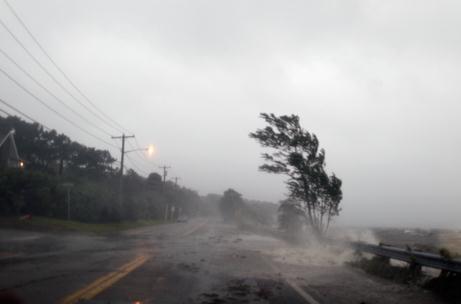
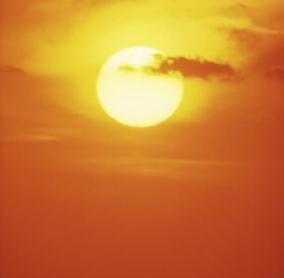

Hurricane Irene And Global Warming: A Glimpse Of The Future? Here's a story from The New Yorker: "Nowadays, whenever there’s an Irene-like event—a huge storm, a terrible flood, a killer heat wave—the question is raised: was this caused by global warming? The very frequency with which this question is being asked these days should make people take notice, but the answer that comes back is usually squishy enough to allow them to forget about the issue until the next disaster occurs, at which point the process starts all over again. The problem here, as several commentators have pointed out this weekend, is that the question being posed is not the question we should be asking. The standard answer to the question “Was Irene (or the recent flooding along the Missouri River, or the current record-breaking Texas drought, or [choose your own favorite example]) caused by global warming?” is: No one event can be definitively attributed to climate change (though in some cases, you can get pretty close). Hurricanes fall into the category of “weather,” which is driven partly by large and predictable forces and partly by those that are stochastic, or random. How about posing the question this way: Are more events like Irene what you would expect in a warming world? Here the answer is a straightforward “yes.” In fact, experts have been warning for years that New York will become increasingly vulnerable to storm surges and flooding as the planet heats up."


Ignore Global Warming At Our Risk. Here's a timely Op-Ed from amarillo.com: "Last week, Hurricane Irene focused attention once again on climate change. Irene was only a Category 1 on the Saffir-Simpson Hurricane Scale, which rates storms by wind speed, but it carried a lot of water and dumped it on places that didn’t need it. Scientists in the field of atmospheric research tell us that storms are getting stronger, especially in the Atlantic, and that there is a direct correlation between the temperature of the ocean’s surface and the wind speed of the most powerful storms. For all Category 5 hurricanes the average increase in wind speed is 4.5 miles per hour per degree (Celsius) of increased ocean temperature. For the top ten percent of storms the increase in wind speed is 14.5 miles per hour per degree. Over the past 30 years the oceans’ tropical waters have warmed by half a degree Celsius. On one hand this doesn’t look like much. On the other hand, sustained warming means sustained increase in the power of the largest storms."

Hurricane Politics. Here's an Op-Ed from Bill Mckibben at The Daily Beast: "As Hurricane Irene bore down on the East Coast, I was standing outside the White House with hundreds of others protesting. For seven days we staged daily sit-ins and were hauled away to the police station. I spent two nights at Central Cell Block in D.C. (which is precisely as much fun as it sounds) for the crime of standing on the sidewalk protesting the Keystone Pipeline, which will connect the tar sands of Alberta, Canada, to the Gulf of Mexico—and in the process spew carbon into the atmosphere. But the largest civil-disobedience protest in the recent history of the environmental movement did take the day off on Sunday. Not because of the police but because of Irene, busily ramming her way up the Eastern Seaboard. When we resume this week (climate star James Hansen plans on getting arrested), it will be with one more reminder of why we must act on climate change. You’d think by now we’d get the message on global warming. We know, of course, it didn’t cause Irene, that it has to do with the spin of the Earth and waves of weather rolling off Africa. But one reason the East Coast went on red alert was that there was unusually warm water all along the Atlantic Seaboard. Usually, says Jeff Masters of Weather Underground, it’s difficult for hurricanes to keep their strength much past North Carolina because ocean temperatures plunge below the 79°F level that can generate those strong winds. Not this year: “Sea surface temperatures 1° to 3°F warmer than average extend along the East Coast from North Carolina to New York.” In fact, in all the years of record keeping, only one summer has had warmer water—last year."


Shooting The Messenger. Here's an Op-Ed from the Miami Herald: "Texas Gov. Rick Perry stirred up controversy on the campaign trail recently when he dismissed the problem of climate change and accused scientists of basically making up the problem. As a born-and-bred Texan, it's especially disturbing to hear this now, when our state is getting absolutely hammered by heat and drought. I've got to wonder how any resident of Texas - and particularly the governor who not so long ago was asking us to pray for rain - can be so cavalier about climate change. As a climate scientist at Texas A&M University, I can also tell you from the data that the current heat wave and drought in Texas is so bad that calling it "extreme weather" does not do it justice. July was the single hottest month in the observational record, and the 12 months that ended in July were drier than any corresponding period in the record. I know that climate change does not cause any specific weather event. But I also know that humans have warmed the climate over the last century, and that this warming has almost certainly made the heat wave and drought more extreme than it would have otherwise been. I am not alone in these views. There are dozens of atmospheric scientists at Texas institutions like Rice, the University of Texas, and Texas A&M, and none of them dispute the mainstream scientific view of climate change. This is not surprising, since there are only a handful of atmospheric scientists in the entire world who dispute the essential facts - and their ranks are not increasing, as Gov. Perry claimed."


Republicans Against Science. I'm a (recovering) Republican, and this wholesale turning away from climate science troubles me to no end. Apparently I'm not the only one. Here's a New York Times Op-Ed from Paul Krugman: "Jon Huntsman Jr., a former Utah governor and ambassador to China, isn’t a serious contender for the Republican presidential nomination. And that’s too bad, because Mr. Hunstman has been willing to say the unsayable about the G.O.P. — namely, that it is becoming the “anti-science party.” This is an enormously important development. And it should terrify us. To see what Mr. Huntsman means, consider recent statements by the two men who actually are serious contenders for the G.O.P. nomination: Rick Perry and Mitt Romney. Mr. Perry, the governor of Texas, recently made headlines by dismissing evolution as “just a theory,” one that has “got some gaps in it” — an observation that will come as news to the vast majority of biologists. But what really got peoples’ attention was what he said about climate change: “I think there are a substantial number of scientists who have manipulated data so that they will have dollars rolling into their projects. And I think we are seeing almost weekly, or even daily, scientists are coming forward and questioning the original idea that man-made global warming is what is causing the climate to change.”


The Deniers of Global Warming Are Winning. Here's a blog post at seattlepi.com: "The House of Representatives voted 240-184 this spring to defeat a resolution that said that “climate change is occurring, is caused largely by human activities, and poses significant risks for public health and welfare.” The U.S. Chamber of Commerce informed the Environmental Protection Agency that “populations can acclimatize to warmer climates via a range of behavioral, physiological, and technological adaptations.” Secretary of State Hillary Clinton announced recently that melting of sea ice “will result in more shipping, fishing and tourism, and the possibility to develop newly accessible oil and gas reserves.”

Apparently these politicians know something that the scientists don’t?

The data of the past few years has shifted the paradigm for GW. What was forecast six years ago to happen in 2050 now is projected for 2020 (some of it is here in 2011).

Freak weather has become the norm: Deadly tornados in Joplin, Mo., and Tuscaloosa, Ala.; wildfires have engulfed large tracts in California, Oklahoma, New Mexico and Texas; severe droughts in the Southwest, parts of China and the Amazon; increased moisture in the air leading to huge snowpacks in some areas — which melt quickly in the summer; massive flooding along the Mississippi as well as in Australia, New Zealand, China and Pakistan; unprecedented heat waves in Russia, Eastern US, Europe and Asia; the fish stocks in the oceans are dying; the glaciers & polar ice caps are disappearing; etc. Not to mention the endless effects of steadily rising sea levels.

All of this is happening with only one degree of global warming. All numerical models that evaluate the effect of increased CO2 predict another degree warming is already in the pipeline, and several more degrees if CO2 continues to increase as it has the past decades. The fingerprints of fossil fuel burning are on the measured CO2.

Sunday, August 28, 2011

August 29: Aftermath of "Irene" (what did forecasters get right & wrong?)

"...But the tsunami of hype on this story was relentless, a Category 5 performance that was driven in large measure by ratings. Every producer knew that to abandon the coverage even briefly—say, to cover the continued fighting in Libya—was to risk driving viewers elsewhere. Websites, too, were running dramatic headlines even as it became apparent that the storm wasn’t as powerful as advertised. The fact that New York, home to the nation’s top news outlets, was directly in the storm’s path clearly fed this story-on-steroids. Does anyone seriously believe the hurricane would have drawn the same level of coverage if it had been bearing down on, say, Fort Lauderdale? " - article on the media hyping of Hurricane Irene in the Daily Beast below.

* photo credit above: Richmond Times Dispatch.

What Just Happened? Not to, in any way, minimize the impact of at least 21 storm-related deaths in 6 states....or extensive inland flooding, especially over Vermont,  Irene was an underwhelming hurricane for much of the northeastern USA. The massive storm surge that some media outlets were warning off Friday never came to pass. Irene came ashore over northern New Jersey early Sunday as a minimal Category 1 hurricane, weakened considerably after passing over North Carolina on Saturday. In addition, dry air wrapped into the storm, and wind shear aloft shredded the circulation - warm Gulf Stream water off the coast of Virginia and New Jersey wasn't enough to strengthen the storm as it accelerated northward. Irene moved faster than expected, pushing north across New York City at 25 mph Sunday morning. The storm surge was 4 to 4.5 feet in New York Harbor, submerging some streets in Lower Manhattan, including the FDR - closing one tube of the Holland Tunnel for a few hours. Irene arrived during high astronomical tide (8 am Sunday), which compounded the surge. But some of the more extreme predictions (8-12 foot storm surge for New York City?) were wildly inflated, and borderline irresponsible. My big concern: a growing risk of APATHY. New Yorkers (and New England residents in general) may react with a "so what?" reaction the next time a truly dangerous hurricane threatens the east coast. The truth: we've experienced winter nor'easters that were more damaging than this hurricane. A few more statistics related to Irene:

* wettest month on record for Philadelphia and New York City with over 19" of rain reported.
* peak storm surge in New York Harbor: 4.5 feet at 9 am Sunday morning.
* 60 mph wind gust in New York as Irene passed almost directly overhead.
* FDR Drive had to close due to storm surge flooding; the north tube of the Holland Tunnel flooded as well.
* "several billion dollars" in estimated damage along the Jersey shore, according to New Jersey Governor Chris Christie.
* Highway 12 on the Outer Banks was cut off by the storm surge in at least 5 separate spots.
* Over 4.5 million Americans lost power over the weekend, due to Hurricane Irene.
* Statewide disaster for Vermont. Flooding may some of the worst in Vermont's history.

** Irene moved north faster than the models predicted, taking a more westerly path than the (majority) of NHC models were predicting as recently as Saturday morning. Inland flooding was probably underpredicted (in retrospect), while the coastal storm surge was (in 20/20 hindsight) exaggerated. NHC models did a good job with the storm surge forecast, but many of the national cable networks were warning viewers of a worst-case scenario, a possibly storm surge of 8-12 feet in New York Harbor. The actual storm surge peaked at 4.5 feet at 9 am Sunday morning in NYC.


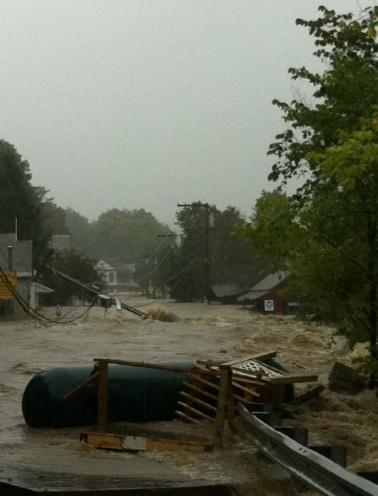
Severe Flooding In Wilmington, Vermont. The soggy remains of Irene may have dumped as much as 6-8" rain on Vermont, resulting in extreme flooding. The ground was already saturated from an unusually wet summer - the rain from Tropical Storm Irene almost immediately ran off into streets and streams. Photo courtesy of yfrog.com.


Landfall. "Waves crash onto a road as Hurricane Irene arrives on August 28, 2011 in Southampton, New York." (Joe Raedle - GETTY IMAGES) . Courtesy of the Washington Post.

New Jersey Governor Christie Expects Damage "In The Billions". Here's an update from Yahoo News and Reuters: "WASHINGTON (Reuters) - New Jersey Gov. Chris Christie said on Sunday that he expects damages from Hurricane Irene to run into the billions of dollars along the state's Atlantic coast and from inland river flooding. "I've got to imagine that the damage estimates are going to be in the billions of dollars, if not in the tens of billions of dollars," Christie said in an interview with NBC's "Meet the Press" program."


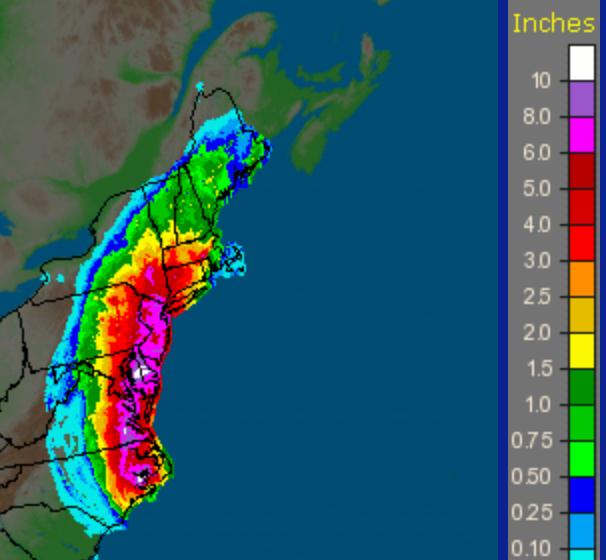
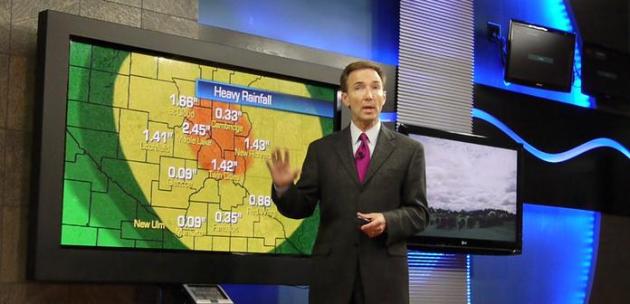
Rainfall From Irene. NOAA Doppler estimates show a band of 6-10" from eastern North Carolina northward to New Jersey.
Here are the highest rainfall totals per state from Irene from NOAA's HPC division:
15.74" Bayboro, NC
13.30" East Durham, NY
12.96" Plum Point 3 WSW, MD
11.04" Freehold Township 1 WNW, NJ
11.04" Suffolk Airport, VA
10.42" Ellendale, DE
8.90" Savoy, MA
8.82" Lafayette, PA
8.44" Winsted 0.7 SE, CT
7.00" Hinsdale, NH
5.93" Brattleboro 2 SW, VT
5.37" Warren, RI
4.75" Bethel, ME
3.62" Myrtle Beach 8.6 SW, SC
3.36" Reagan National Airport, DC

Can Hurricane Irene Batter Republicans Into A U-Turn On NOAA Cuts? A 30% cut in NOAA's budget? That sounds like a really good idea, considering 2011 is rapidly turning into the most severe year on record for the nation. Cutting & slashing NOAA's budget sounds like a prudent course of action, right? The U.K. Guardian has the story: "Now might be a good time for Republicans to rethink their proposal to cut 30% from the existing budget of the National Oceanic and Atmospheric Administration (NOAA) – the agency responsible for tracking hurricanes. NOAA says the Republican cuts will destroy its ability to warn of hurricanes five or 10 days out. That is crucial lead time to carry out the preparations and evacuations we have been seeing this weekend with Hurricane Irene. Mississippi floods, the mid-Atlantic tornados, south-western wildfires and record heatwaves made 2011 a year of extreme weather events well before Irene hit. But Republicans in the House of Representatives insist NOAA is a waste of money."


Death Toll From Irene Reaches 15. More storm details from AP and WTOP-AM:

CONNECTICUT:
_ In Prospect, one person was killed in a fire that Gov. Dannel P. Malloy said apparently was caused by wires knocked down by the storm.

FLORIDA:
_ In Volusia County, 55-year-old Frederick Fernandez died Saturday off New Smyrna Beach after he was tossed off his board by massive waves caused by Irene. The Orlando Sentinel reports the high school teacher had a large cut on his head, apparently from hitting the sea floor. He was pronounced dead shortly after being pulled from the water.
_ In Flagler County, 55-year-old tourist James Palmer of New Jersey died Saturday in rough surf. Family members say they lost sight of him after he waded into the surf in North Florida. He was pulled to shore and his wife attempted CPR, but he was pronounced dead at the hospital.

MARYLAND:
_ In Queen Anne's County, a woman was killed when a tree fell on a house and caused the chimney to collapse. Another person in the house was not hurt.

NORTH CAROLINA:
_ In Nash County, a man was killed after a tree limb fell on him outside his home Saturday morning as outer bands from the storm brought near hurricane-force gusts inland.
_ Goldsboro police say a 15-year-old girl died Saturday afternoon after the SUV carrying her and family members collided with another SUV at an intersection where Irene had knocked out power to traffic lights. The victim and other family members were thrown from their SUV, and occupants of both vehicles were taken to the hospital. The girl's family was returning to northern Virginia from a vacation in Myrtle Beach, S.C.
_ A man in Pitt County drove through standing water, went off a road and died after striking a tree on Saturday.
_ A mother in Sampson County died Saturday morning when a tree fell on a car carrying her and two family members.

VIRGINIA:
_ Newport News authorities report that 11-year-old Zahir Robinson was killed when a large tree crashed through his apartment shortly after noon. He was pronounced dead at the scene. The boy's mother, who was in the apartment, was not injured.
_ In Brunswick County, a tree fell across a car Saturday afternoon, killing 67-year-old James Blackwell of Brodnax. The driver was taken to the hospital with minor injuries.
_ Chesterfield County police say a man died at a Hopewell hospital Saturday after a tree fell on a house that he was inside with six other adults. A woman in the house was hospitalized with non-life-threatening injuries.

Get Real: Hurricane Irene Should Be Renamed "Hurricane Hype". I have to at least partially agree with Forbes on this one. Forecasters underestimated the inland flooding, while overestimating the impact of the storm surge, especially on New York City and Boston: "Over the years the National Hurricane Center (NHC) has employed the world’s best experts on Atlantic tropical cyclones, from “Dr. Bob” Simpson, to the mediagenic Neil Frank and on to the current director, Bill Read. The lifesaver-in-chief was probably Frank, who indefatigably crisscrossed the nation educating the public to the dangers—hidden and obvious—that accompany these curiously seductive weather systems. His era was one of many innovations, including extensive use of satellites, and tailoring the “names” of storms to the culture where they roam in order to attract attention.....The number of false positives has so cheapened the currency of tornado warnings that few now bother to interrupt their work when one is given. While the very good forecasters at the National Weather Service were not at all happy when veteran TV meteorologist James Spann blamed a large number of Tuscaloosa deaths on the very high false alarm rates, he had a point."

A Hurricane Of Hype. Thanks for ripping off my newspaper headline, Howard.  I didn't see any credit from The Daily Beast's Howard Kurtz, who is complaining about the Armageddon-like drumbeat coming from the national media leading up to Irene's arrival. More of a whimper than a bang: "It was raining in Manhattan on Sunday morning, and the dogged correspondents in their brightly colored windbreakers were getting wet. But the apocalypse that cable television had been trumpeting had failed to materialize. And at 9 a.m., you could almost hear the air come out of the media’s hot-air balloon of constant coverage when Hurricane Irene was downgraded to a tropical storm. Not everyone was willing to accept this turn of events. When the Weather Channel’s Brian Norcross told MSNBC that forecasters had been expecting the first hurricane to make landfall in New York City since 1893—“and it didn’t happen”—anchor Alex Witt was openly skeptical. “Really, Brian?” she asked. Hadn’t Irene technically still been a hurricane when it came ashore in New York an hour earlier? “Can’t we still go with that?” No, Norcross said."

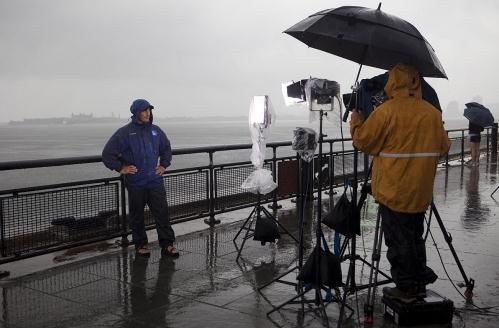
photo credit above: "Meteorologist Jim Cantore, left, and a crew from The Weather Channel, report on Hurricane Irene from Battery Park in New York City on August 27, 2011, Jonathan Saruk, The Weather Channel / Getty Images."


  FEMA's Budget Disaster. What a year. Irene will probably go down in the record books as the 10th billion-dollar-plus weather disaster in 2011, which would be a new record (old record is 9 separate billion dollar disasters in 2008). The Daily Beast reports on how the endless treadmill of tornadoes, floods, heatwaves, droughts (and now hurricanes) are impacting FEMA's budget: "It’s been a busy year for America’s disaster agency, and that may soon spell disaster for its budget. It started with severe winter storms in the east and southwest in January. Tsunami waves from the Japanese earthquake struck the West Coast and Hawaii in March, followed by the tornado that flattened parts of southern Missouri in May. Several Midwest states saw flooding earlier this month. And an earthquake and hurricane rocked the East Coast this week. So far in 2011, the Federal Emergency Management Agency (FEMA) has responded to  “major disasters” 65 times, among the highest in the agency’s history. The unprecedented demand has stretched the agency and its budget increasingly thin. Craig Fugate, FEMA’s administrator, told White House reporters in May that the agency’s disaster relief fund was running low, then just above $1 billion. Without an infusion from Congress, he said, relief workers would only address immediate needs, like delivering food and water, instead of less immediate concerns like clearing felled trees and cleaning streets."

Challenges In Predicting The Intensity Of Storms. Weather models do a fairly good job predicting the track of hurricanes, but the intensity of these massive storms is more of a wild-card, in spite of supercomputer technology and realtime data from "Hurricane Hunter" aircraft flying into these storms. The New York Times details the challenges of predicting hurricane intensity: "Irene may be the first hurricane to hit the East Coast in several years, but in one respect it is like all the others that have come and gone before it: forecasters have had difficulty predicting its strength. Officials with the National Hurricane Center warned Saturday that the storm was still capable of inflicting heavy damage, particularly from flooding, as it slogged toward New Jersey and New York. But they said it had decreased in intensity, with sustained wind speeds of about 80 miles an hour, down 15 miles an hour from 12 hours before. And they acknowledged that they did not know precisely why it had weakened. “There’s some internal dynamics of the storm that we don’t completely understand,” said Todd Kimberlain, a hurricane specialist at the center in Miami. Mr. Kimberlain said one reason for the weakening may be that the storm had never completed a typical hurricane cycle in which the innermost band of spinning clouds, called the inner eye wall, dissipates and is replaced with an outer band that contracts."

* photo credit above: Andy Newman, AP.


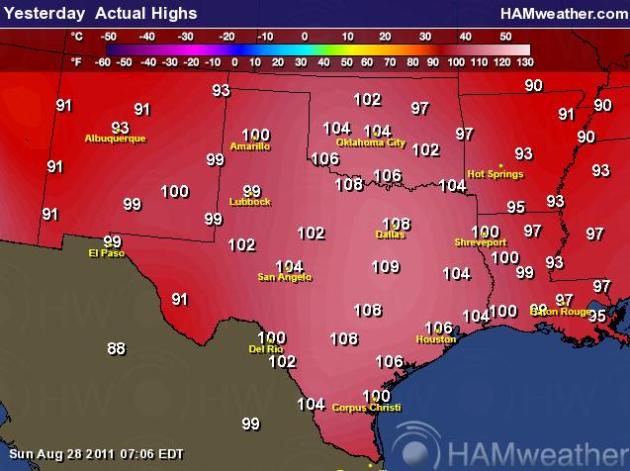
Record Heat Continues In Texas. Saturday's high in Houston was a blazing 109 F, tying the record for the hottest temperature ever recorded. Map courtesy of Ham Weather.


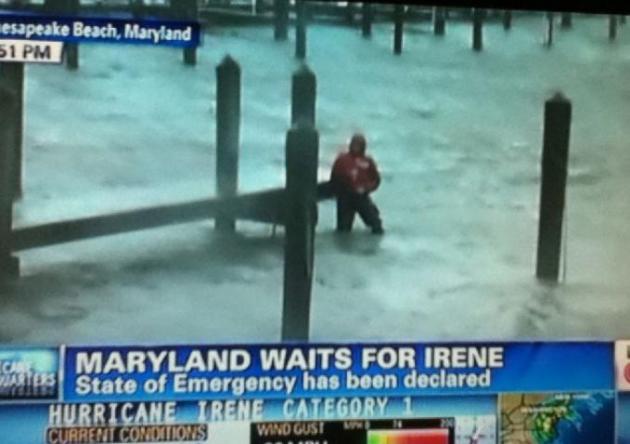
Darwin Award Goes To CNN. Are they trying to drown this poor reporter? At the same time they're urging viewers to seek shelter and "head to higher ground" - news crews are on the beach, in the water, almost tempting Mother Nature. Yes, this storm was over-hyped. Any hurricane is a big deal, but you would have thought we were tracking Armageddon. What got lost in the effort to boost ratings was perspective, a cool, calm, rational analysis of Irene. No, the national media did not do a good job with this hurricane. Who cares? My biggest fear: when the "Big One" does come up the coast people may be ambivalent; apathy may set in "hey, they hyped the last storm and it wasn't that bad...why listen to them now?" That's my biggest concern.

Breaking News. No Hurricanes, but a kitten was born at the Miracle of Birth Center (Minnesota State Fair):

PUBLIC INFORMATION STATEMENT
NATIONAL WEATHER SERVICE TWIN CITIES/CHANHASSEN MN
210 PM CDT SAT AUG 27 2011

...MINNESOTA STATE FAIR...

AT 2 PM...AT THE MINNESOTA STATE FAIR...IN THE MIRACLE OF BIRTH 
CENTER...A TEMPERATURE OF 79 DEGREES WAS REPORTED UNDER MOSTLY 
CLOUDY SKIES. BY THE WAY...A KITTEN WAS BORN AT THE BIRTH CENTER 
EARLIER TODAY.


PUBLIC INFORMATION STATEMENT
NATIONAL WEATHER SERVICE GREEN BAY WI
1145 AM CDT SAT AUG 27 2011

...ACTIVE TORNADO SEASON IN NORTHEAST WISCONSIN...

THROUGH AUGUST 27...14 TORNADOES HAVE BEEN CONFIRMED THIS YEAR IN THE
NWS GREEN BAY SERVICE AREA OF NORTHEAST WISCONSIN.  THIS IS ABOUT TWICE
THE LONG-TERM AVERAGE FOR THE AREA.  ON APRIL 10 ALONE...TEN TORNADOES
OCCURRED IN NORTHEAST WISCONSIN...A SINGLE DAY RECORD TORNADO OUTBREAK
FOR THE AREA.

IN WISCONSIN...36 TORNADOES HAVE BEEN DOCUMENTED SO FAR THIS YEAR. 
THE 30-YEAR AVERAGE IS 23 FOR AN ENTIRE YEAR.

BELOW IS A PRELIMINARY LIST OF TORNADOES REPORTED IN THE NWS GREEN BAY
SERVICE AREA IN 2011.

DATE     LOCATION (COUNTIES)        MAGNITUDE   PATH (MILES)
---------------------------------------------------------------------
APR 10   MARATHON-LINCOLN             EF3         21.2
APR 10   WAUSHARA                     EF1         10.9
APR 10   LANGLADE                     EF1          5.3
APR 10   WAUSHARA-WAUPACA-OUTAGAMIE   EF1         27.7
APR 10   FOREST-FLORENCE              EF2         12.0
APR 10   WAUSHARA-WINNEBAGO           EF1         14.9
APR 10   FOREST                       EF1          3.3
APR 10   OUTAGAMIE                    EF2          1.5
APR 10   BROWN                        EF1          1.2
APR 10   CALUMET                      EF1          1.7
MAY 22   WOOD-PORTAGE                 EF1         31.6
AUG 19   MARINETTE                    EF1          7.8
AUG 23   SHAWANO                      EF0          0.2
AUG 23   CALUMET                      EF0          0.5

NOTES: 
1. THE MAY 22 TORNADO MOVED OUT OF JUNEAU COUNTY IN THE NWS LA CROSSE
SERVICE AREA.  ENTIRE PATH LENGTH OF THE TWISTER WAS JUST OVER 64 MILES.
2. THE AUG 19 TORNADO BRIEFLY PASSED INTO UPPER MICHGAN ALONG THE
MENOMINEE RIVER BEFORE MOVING BACK INTO MARINETTE CO.

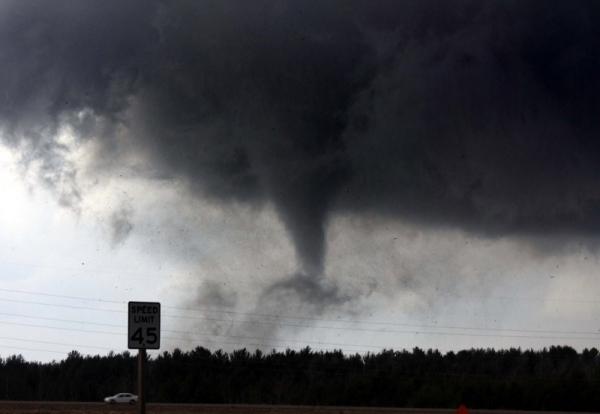
* Photo credit of tornado: ouramazingplanet.com.


Science Uncertain How Wildlife Deals With Severe Weather. Here's an interesting story from the Pittsburgh Post Gazette: "Many animals seem to sense when bad weather approaches. They become restless, often abandon their normal activities, and sometimes flee the area. I suspect many can detect subtle changes in barometric pressure that precede approaching storms. Cavity-nesting birds and mammals no doubt ride out storms in tree cavities. As long as the tree doesn't snap, they're fine. If a tree beaks off at the cavity, the occupants may get waterlogged and succumb to hypothermia. In the case of flash floods, burrow dwelling animals may seem doomed. But most mammal burrows are not simply holes in the ground. Often these animals burrow down and then turn the burrow upward before excavating their living quarters. This makes it less likely that floods completely wash out burrow systems. During prolonged, extended floods, however, all bets are off, and many burrow dwellers probably die."

* photo credit above: refugeassociation.org.

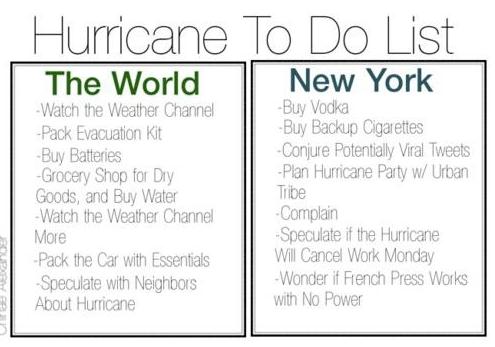
What Hurricane Preparedeness Looks Like In New York City. Here's a tongue in cheek blurb from happyplace.com: "America, please pray for New York. Pray that the destruction isn't so great that the wifi goes out, preventing New Yorkers from constantly uploading their iPhone photos of said destruction. Pray that the television coverage is so myopically focused on New York's brunt of the storm that its citizens don't have to be bored with brief reminders of the other dozen states being drowned by Irene's wrath. And please, for the love of God, pray that the storm will hold off long enough to not put a damper on Sunday brunch plans. Amen. Let us know in the comments what you think may be missing from this list."

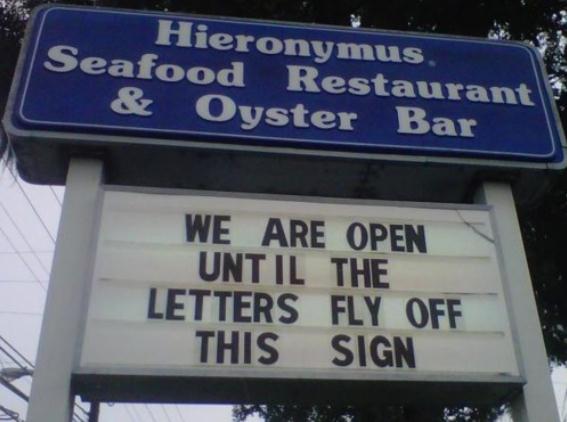
Tenacity. This restaurant in Wilmington, North Carolina, wasn't going to let a "little hurricane" get in the way of serving up world-famous oysters! Photo courtesy of happyplace.com.


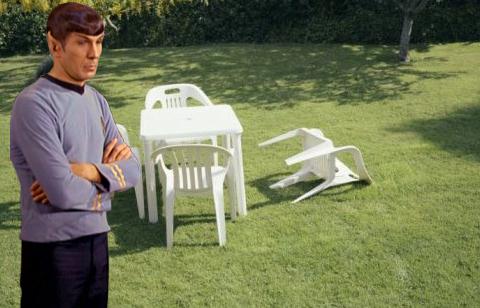
Spock. Apparently he wasn't all that impressed with last week's tremor in Virginia. A lawn chair was knocked over. OMG!


Remembering 9-11. This has nothing to do with weather (obviously), but you don't want to miss a special series of documentaries on the National Geographic Channel all this week. Last night's first-person account from President George W. Bush was extraordinary - tonight's special looks at 9-11 through the eyes of former New York City Mayor Rudy Giuliani.


Why Weather?

"You're a WEATHERMAN!" KARE-TV anchor Paul Magers told me with a smirk (late 1980s?) I don't think it was a compliment. Why subject myself to daily humiliation?

I'm still in awe of the weather. Predicting the weather is an intellectual challenge. Weather models are great, but the most accurate forecasts rely on man & machine. Perspective is critical. We get to tell stories every day, and the "toys" we play with are incredible: Doppler, supercomputers & weather satellites. It's a humbling profession - we're still learning.

For example, hurricanes go thru cycles; the "eye-wall" regenerates - a new eye forms, replacing the original eye, which makes the prediction of hurricane intensity even more challenging. And yes, "It's the only job where you can be wrong much of the time and still get paid!"

Ha ha.

Clean-up from over-hyped Hurricane Irene (at least in terms of storm surge predictions for major cities, including New York City) is underway. A long-range European model prints out another hurricane over New York on 9/11. Hope it's wrong.

Climate Stories...


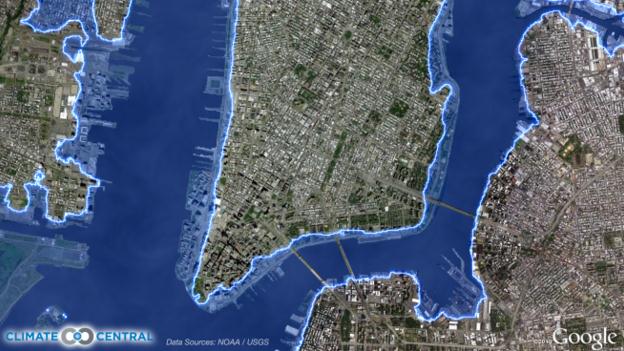
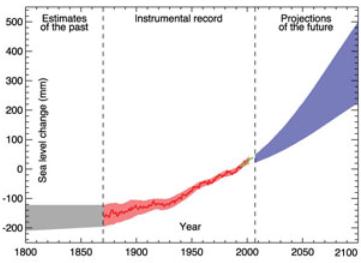
Climate Change Has Made New Yorkers More Vulnerable To Hurricanes. Here's a story from Grist Magazine and Climate Central: "Hurricanes inflict some of their greatest damage by pushing walls of water onto land, in what are called storm surges. The National Oceanic and Atmospheric Administration (NOAA) estimates that Hurricane Irene may generate peak surges of up to 10 feet high in places along the Mid-Atlantic coast. Tall wave action will compound the threat in exposed areas. And over the last century, mostly due to global warming, sea level has risen about a foot along much of the coast, placing even more people and homes at risk than would have otherwise been the case. This map below shows lower Manhattan and parts of Brooklyn and New Jersey. The blue area identifies the land zone within five vertical feet of the average high tide line, toward the upper end of the range of surge heights NOAA is predicting for the immediate area. Based on 2010 Census information and Climate Central's map analysis, almost a quarter million (233,000) people live in this zone for all of New York City. That's 28 percent (65,000 people) more than live within the four-foot zone -- the line we would be talking about if the sea hadn’t risen a foot over the last hundred years. About two-thirds of that rise appears to come from global warming."


Hurricane Irene, Global Warming, And The Rising Cost Of Storm Surge Damage. Here's the story from thedailygreen.com: "When the words "hurricane" and "global warming" end up in the same sentence in a news story, typically the subject is whether climate change is or will make Atlantic hurricanes stronger or more frequent. Unlike many other aspects of climate change, that's one point where legitimate scientists argue, and the jury is still out. But when it comes to the damage that hurricanes are likely to do when they make landfall in the U.S., there's considerably less debate. For one, more people live along the coasts than ever, and people continue to move there despite the ongoing seasonal risk of tropical storms and hurricanes. As of 2003, more than half of the U.S. population lived along the coast, and the 153 million people living there at that time had grown nearly 30% in 25 years, according to a 2008 National Oceanographic and Atmospheric Administration study. Since 2003, the U.S. experienced the real estate bubble and a building boom, adding substantially to the homes in hurricane risk zones."
Seeing Irene As A Harbinger Of Climate Change. I think we have to be very careful about linking any one storm with climate change. As one climate scientist described Irene to me: "Irene didn't start the fire, but a warmer ocean may have thrown another log on the fire." The number of Category 4-5 hurricanes has nearly doubled since 1970. There's no evidence that a warming atmosphere (and warmer ocean water) is producing more hurricanes, but there may be a link betwen climate change and the intensity of some of these massive, Texas-size storms. More from the New York Times:
"The scale of Hurricane Irene, which could cause more extensive damage along the Eastern Seaboard than any storm in decades, is reviving an old question: are hurricanes getting worse because of human-induced climate change? The short answer from scientists is that they are still trying to figure it out. But many of them do believe that hurricanes will get more intense as the planet warms, and they see large hurricanes like Irene as a harbinger. While the number of the most intense storms has clearly been rising since the 1970s, researchers have come to differing conclusions about whether that increase can be attributed to human activities. “On a longer time scale, I think — but not all of my colleagues agree — that the evidence for a connection between Atlantic hurricanes and global climate change is fairly compelling,” said Kerry Emanuel, an expert on the issue at the Massachusetts Institute of Technology. Among those who disagree is Thomas R. Knutson, a federal researcher at the government’s Geophysical Fluid Dynamics Laboratory in Princeton, N.J. The rising trend of recent decades occurred over too short a period to be sure it was not a consequence of natural variability, he said, and statistics from earlier years are not reliable enough to draw firm conclusions about any long-term trend in hurricane intensities."

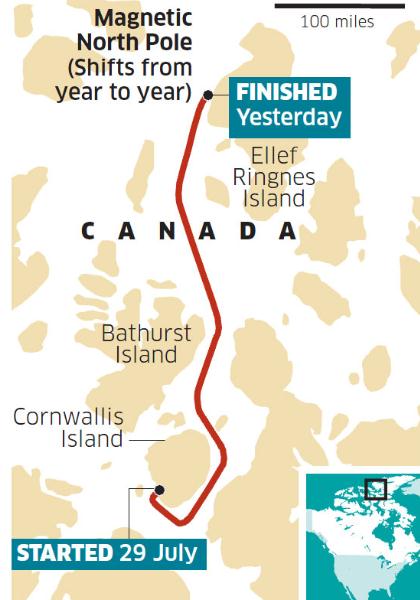
Rowers Reach "Impossible" North Pole, Thanks To Global Warming. Rowing a boat to the North Pole? I didn't think that was even possible, in spite of thinning Arctic ice. Here's the story from the U.K. Independent newspaper: "Six British adventurers were "on top of the world" yesterday after they became the first team to row to the magnetic North Pole. They were exhausted by their 28-day journey but were jubilant to have set a record they had been told was impossible. They rowed 450 miles from Resolution Bay in Canada, but found the last three miles so badly congested by ice floes and lumps of broken ice that they had to drag the rowing boat for several hours to complete the last stretch of the journey. Jock Wishart, who has previously set records rowing across the Atlantic, said the scale of their achievement had "yet to sink in". But he confessed to leaping about on the ice in excitement when it was confirmed that they had reached the pole. As expedition leader, he was tossed from an ice floe into the Arctic water as the team celebrated the end of their journey yesterday."


NSF Confirms Results Of Penn State Investigation; Exonerates Michael Mann Of Research Misconduct. An update from scholarsandrogues.com: "As a result of the illegal publication of CRU climate emails, the Pennsylvania State University (PSU) conducted an inquiry and investigation into allegations of research misconduct by Professor Michael Mann. The University exonerated Mann of all four allegations in July 2010, but the National Science Foundation Office of Inspector General (OIG) reviews such investigations for completeness and correctness. On August 15, 2011, the OIG released the results of their own review, agreeing with all of the conclusions of the PSU investigation and subsequently acquitting Mann of all the allegations of research misconduct made against him. PSU published the results of an their internal investigation into alleged research misconduct by climatologist Michael Mann on July 1, 2010. As S&R reported, the university’s conclusions were that Mann did not falsify data over the course of his research, that he did not destroy any emails in possible breach of the Freedom of Information Act, that he did not misuse his position or abuse confidentiality agreements, and that he did not deviate from accepted practices of conduct for his field."

The Upside To Global Warming. The Daily Beast ponders the advantages of a warming world: "A few thousand years ago, a mighty river flowed through the Sahara across what is today Sudan. The Wadi Howar—now just a dried-out riverbed for most of the year—sustained not just fish, crocodiles, and hippopotamuses, but also agriculture and human settlement. As late as 1,000 B.C., a powerful fortress stood on its shores. But then the Sahara dried out, turning from a green savannah into an inhospitable desert. The culprit: climate change. According to desert geologist Stefan Kröpelin, who has studied geological data for the eastern Sahara going back 6,000 years, the desert spread as temperatures dropped. Global cooling meant that the air had less capacity to hold moisture from the oceans, leading to fewer rains and more arid climes."


Mental Illness Rise Linked To Climate. In what is sure to be a controversial link - here's the story from Australia's Sydney Morning Herald: "RATES of mental illnesses including depression and post-traumatic stress will increase as a result of climate change, a report to be released today says. The paper, prepared for the Climate Institute, says loss of social cohesion in the wake of severe weather events related to climate change could be linked to increased rates of anxiety, depression, post-traumatic stress and substance abuse. As many as one in five people reported ''emotional injury, stress and despair'' in the wake of these events. The report, A Climate of Suffering: The Real Cost of Living with Inaction on Climate Change, called the past 15 years a ''preview of life under unrestrained global warming''. ''While cyclones, drought, bushfires and floods are all a normal part of Australian life, there is no doubt our climate is changing,'' the report says. ''For instance, the intensity and frequency of bushfires is greater. This is a 'new normal', for which the past provides little guidance."

15 Irrefutable Signs That Climate Change Is Real. Businessinsider.com has the story: "From rising air and ocean temperatures to shrinking glaciers and widespread melting of snow and ice, evidence of a changing global climate is all around us. The Intergovernmental Panel on Climate Change has linked many of these changes in climate to an increase greenhouse gas emissions from human activities, which was documented in a 2007 assessment report compiled by thousands of scientists over decades of research and debate. Regardless of their causes – whether you believe in anthropogenic drivers, like fossil fuels from power plants and cars or not — the observed changes in climate are scientific facts that have grave implications for the future of natural and human systems. Click here to see the facts.

Al Gores Compares Climate Change Skepticism To Racism. This is why so many people have a problem with Al Gore. I respect the man for his passion, and trying to educate consumers about the perils of climate change (he's taken a lot of heat over the years), but when he compares climate change to racism I fear he's turning a lot of people off - that's a bit of a stretch in my humble estimation. Slate.com has more details on his latest rant: "Just as an unusually large Hurricane Irene bore down on the East Coast, Al Gore upped the ante in the global warming debate. In an interview with FearLess Revolution founder Alex Bogusky on Friday, Gore tackled topics like eating less meat, the challenges of industrial agriculture, and the dubious nature of mountaintop mining. But as Politico reports, he also offered up some advice to environmentalists when engaging in debate with climate change skeptics. Gore said that those who believed the issue was a serious one needed to “win the conversation” by directly challenging nay-sayers, just as civil rights activists did in the face of racism. Gore’s comment: “There came a time when people said, ‘Hey man, why do you talk that way? That’s wrong, I don’t go for that so don’t talk that way around me. I just don’t believe that.’ That happened in millions of conversations, and slowly the conversation was won. And we still have racism, God knows, but it’s so different now and so much better. And we have to win the conversation on climate.”